
Prefit treatment
Dimensional stability
Colour fastness
Tumble dryer suitability
Inherent elasticity
Accuracy of fit
Size chart
Delivery time: 3–10 business days
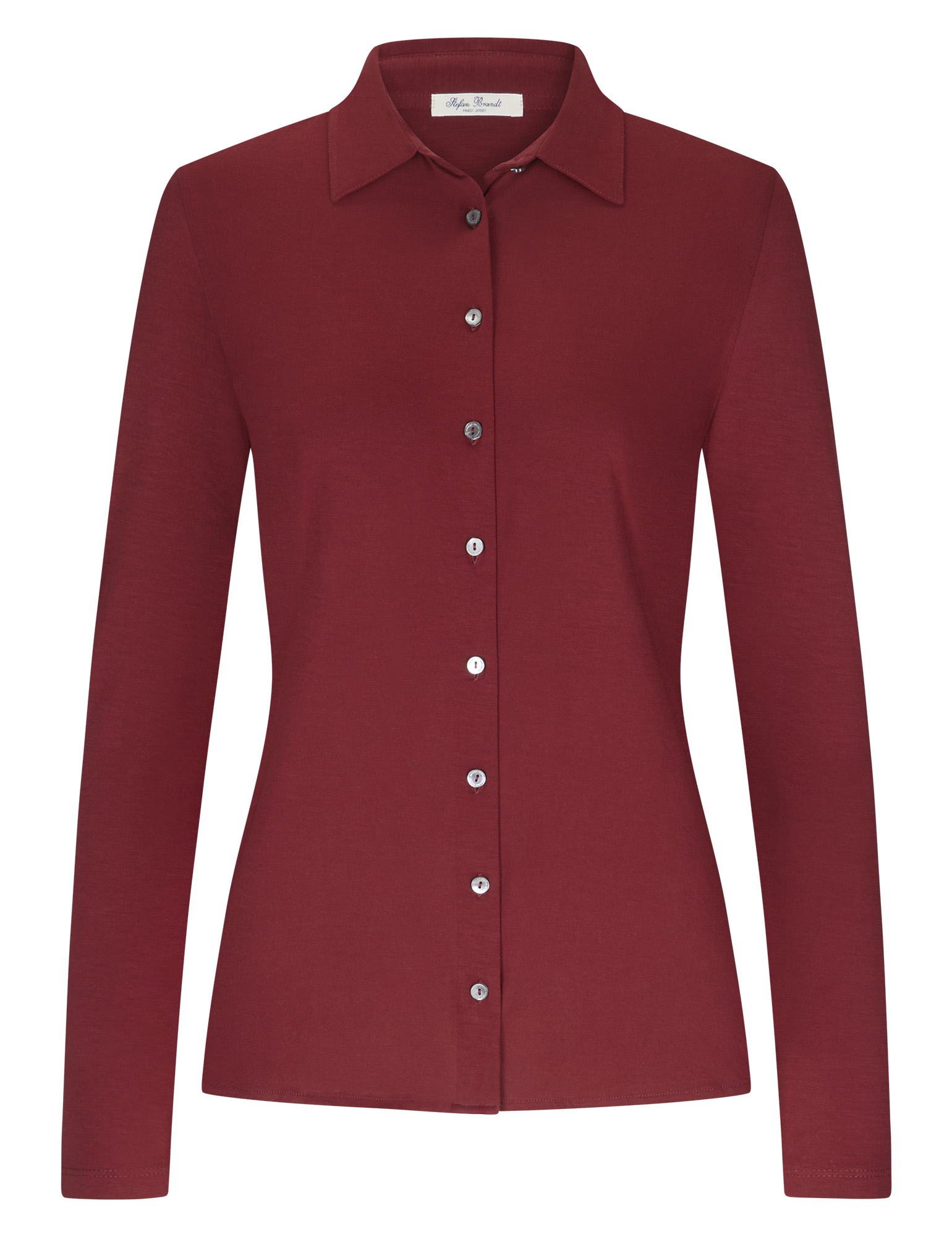
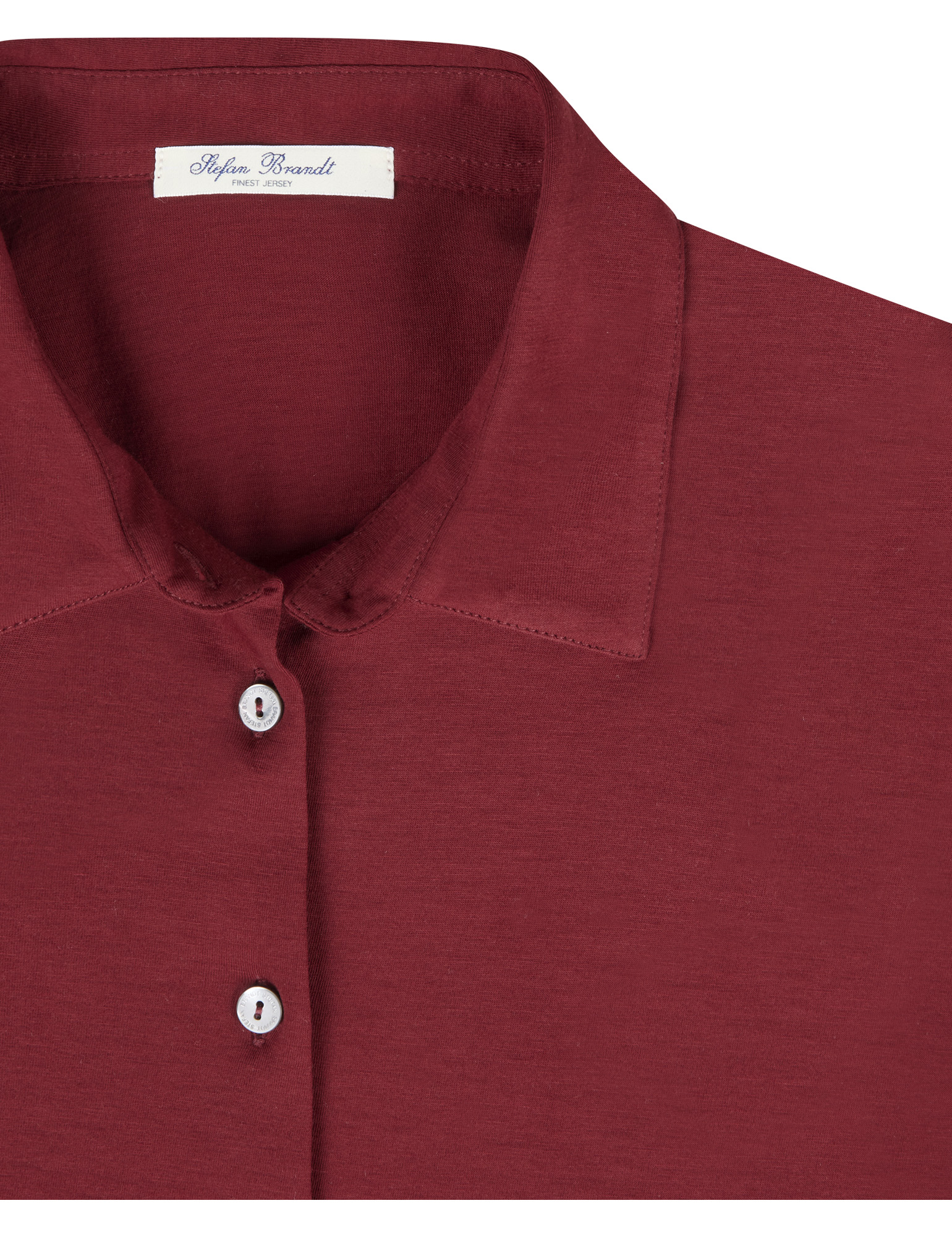

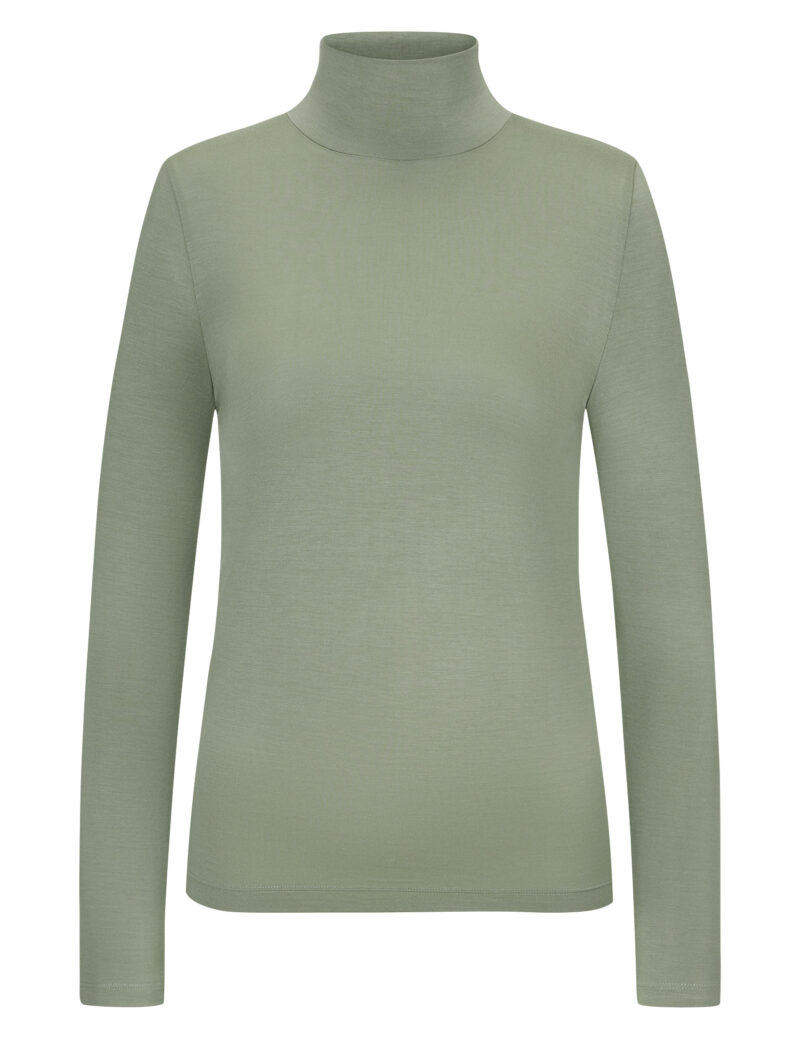
| Colour | BLACK (Black), BLUE (Steel/Mid Blue), EUCALYPTUS (Juniper 2), IVORY (Cream/Creme 03.010), MINK (Beige), MOSS (Juniper 1/Ginebro), NAVY (Marino/Marine), OFF WHITE (Ecru/Ivory), SAGE (Salvia), STONE (Piedra), ALU (Aluminum), WHITE (Blanco), JADE |
|---|---|
| Size | XS, S, M, L, XL, 2XL |
Similar products

Size chart
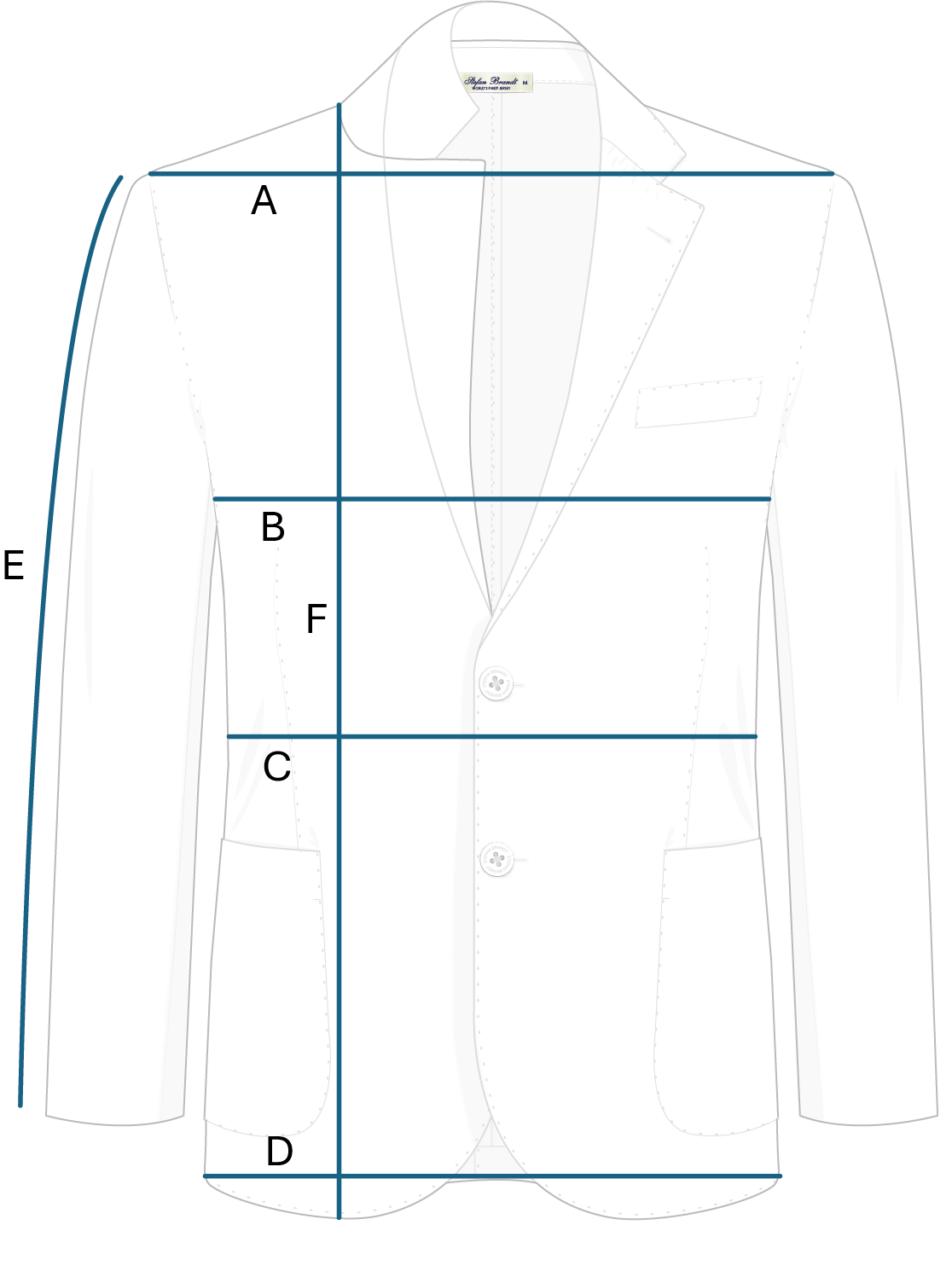
ADRIAN 2S
A classic, slightly fitted blazer made from mercerized URPIMA SEA ISLAND® cotton jersey with spandex.
Product dimensions (in cm)
| XS | S | M | L | XL | 2XL | 3XL | |
|---|---|---|---|---|---|---|---|
| A | 40.1 | 41.4 | 42.7 | 44 | 45.3 | 46.6 | 47.9 |
| B | 46.5 | 49 | 51.5 | 54 | 56.5 | 59.5 | 62 |
| C | 43 | 45,5 | 48 | 50,5 | 53 | 56 | 58,5 |
| D | 51.5 | 54 | 56.5 | 59 | 61.5 | 64.5 | 67 |
| E | 66 | 66 | 66 | 67 | 68 | 69 | 70 |
| F | 71.8 | 73.2 | 74.6 | 76 | 77.4 | 78.8 | 80.2 |
To help you choose the perfect fit, our team measures each piece individually and with the utmost care.
For an accurate comparison, we recommend comparing the measurements provided with a similar garment from your own wardrobe.
Lay it flat on a level surface and measure all dimensions from the outside.
Unit Conversion
XS
corresponds to
—
S
corresponds to
—
M
corresponds to
—
L
corresponds to
—
XL
corresponds to
—
2XL
corresponds to
—
3XL
corresponds to
—
Size chart
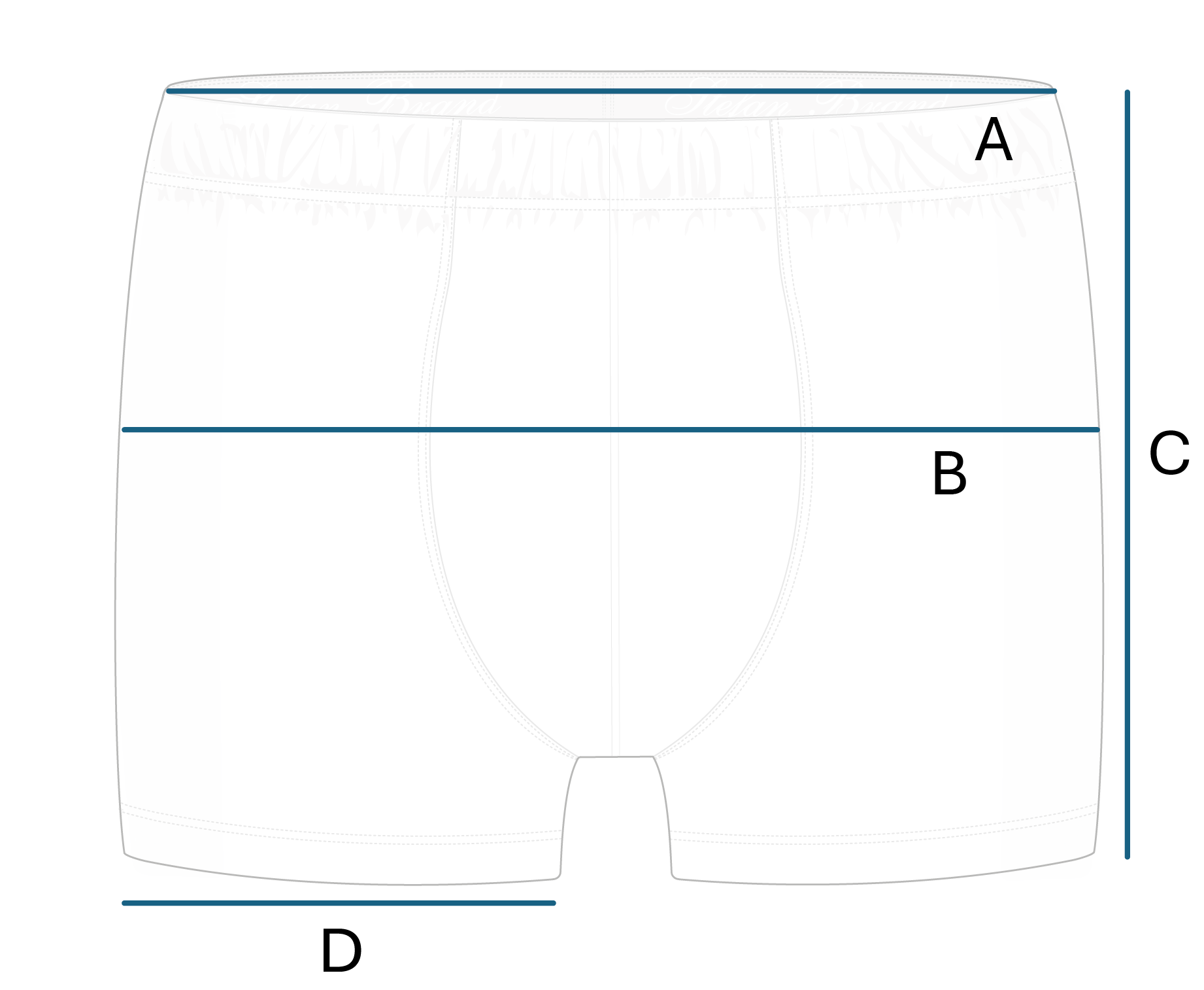
BRAD 2 ROYAL 200
A classic, slightly fitted blazer made from mercerized URPIMA SEA ISLAND® cotton jersey with spandex.
Product dimensions (in cm)
| XS | S | M | L | XL | 2XL | 3XL | |
|---|---|---|---|---|---|---|---|
| A | 30.5 | 33.0 | 35.5 | 38.0 | 40.5 | 43.0 | 45.5 |
| B | 36.5 | 39.0 | 41.5 | 44.0 | 46.5 | 49.0 | 51.5 |
| C | 22.5 | 23.5 | 24.5 | 25.5 | 26.5 | 27.5 | 28.5 |
| D | 19.3 | 20.5 | 21.8 | 23.0 | 24.3 | 25.5 | 26.8 |
To help you choose the perfect fit, our team measures each piece individually and with the utmost care.
For an accurate comparison, we recommend comparing the measurements provided with a similar garment from your own wardrobe.
Lay it flat on a level surface and measure all dimensions from the outside.
Unit Conversion
XS
corresponds to
—
S
corresponds to
—
M
corresponds to
—
L
corresponds to
—
XL
corresponds to
—
2XL
corresponds to
—
3XL
corresponds to
—
Size chart

ALEK ZS SUPER 100E
A classic, slightly fitted blazer made from mercerized URPIMA SEA ISLAND® cotton jersey with spandex.
Product dimensions (in cm)
| XS | S | M | L | XL | 2XL | 3XL | |
|---|---|---|---|---|---|---|---|
| A | 38.1 | 39.4 | 40.7 | 42 | 43.3 | 44.6 | 45.9 |
| B | 48.5 | 51.0 | 53.5 | 56 | 58.5 | 61.5 | 64.0 |
| C | 45.5 | 48.0 | 50.5 | 53 | 55.5 | 58.5 | 61.0 |
| D | 41.5 | 44.0 | 46.5 | 49 | 51.5 | 54.5 | 57.0 |
| E | 63.0 | 64.0 | 65.0 | 66 | 67.0 | 67.0 | 67.0 |
| F | 66.5 | 68.0 | 69.5 | 72 | 73.0 | 74.0 | 75.0 |
To help you choose the perfect fit, our team measures each piece individually and with the utmost care.
For an accurate comparison, we recommend comparing the measurements provided with a similar garment from your own wardrobe.
Lay it flat on a level surface and measure all dimensions from the outside.
Unit Conversion
XS
corresponds to
—
S
corresponds to
—
M
corresponds to
—
L
corresponds to
—
XL
corresponds to
—
2XL
corresponds to
—
3XL
corresponds to
—
Size chart
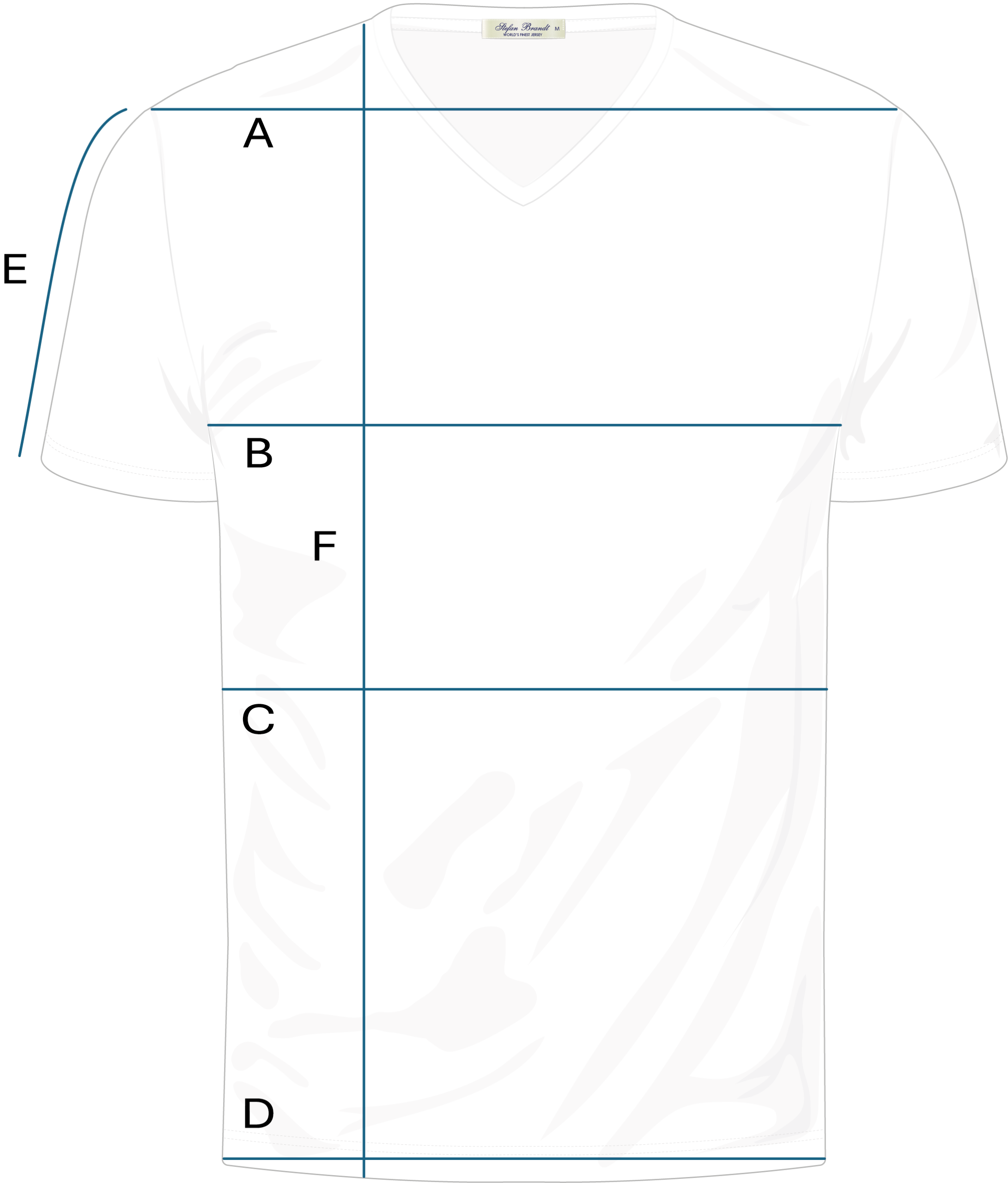
ARTUR 30
A classic, slightly fitted blazer made from mercerized URPIMA SEA ISLAND® cotton jersey with spandex.
Product dimensions (in cm)
| XS | S | M | L | XL | 2XL | 3XL | |
|---|---|---|---|---|---|---|---|
| A | 42.1 | 43.4 | 44.7 | 46 | 47.3 | 48.6 | 49.9 |
| B | 45.5 | 48 | 50.5 | 53 | 55.5 | 58 | 60.5 |
| C | 44.5 | 47 | 49.5 | 52 | 54.5 | 57 | 59.5 |
| D | 44.5 | 47 | 49.5 | 52 | 54.5 | 57 | 59.5 |
| E | 21.5 | 22.5 | 23.5 | 24.5 | 25.5 | 25.5 | 26.5 |
| F | 68.5 | 69.5 | 71 | 72 | 73 | 74 | 75 |
To help you choose the perfect fit, our team measures each piece individually and with the utmost care.
For an accurate comparison, we recommend comparing the measurements provided with a similar garment from your own wardrobe.
Lay it flat on a level surface and measure all dimensions from the outside.
Unit Conversion
XS
corresponds to
—
S
corresponds to
—
M
corresponds to
—
L
corresponds to
—
XL
corresponds to
—
2XL
corresponds to
—
3XL
corresponds to
—
Size chart

ARTUR LA WV FF
A classic, slightly fitted blazer made from mercerized URPIMA SEA ISLAND® cotton jersey with spandex.
Product dimensions (in cm)
| XS | S | M | L | XL | 2XL | 3XL | |
|---|---|---|---|---|---|---|---|
| A | 39.7 | 40.8 | 41.9 | 43 | 44.1 | 45.2 | 46.3 |
| B | 46 | 48 | 50 | 52 | 54 | 56 | 58 |
| C | 43 | 45 | 47 | 49 | 51 | 53 | 55 |
| D | 42 | 44 | 46 | 48 | 50 | 52 | 54 |
| E | 63 | 64 | 65 | 66 | 67 | 67 | 67 |
| F | 68.5 | 69.5 | 71 | 72 | 73 | 74 | 75 |
To help you choose the perfect fit, our team measures each piece individually and with the utmost care.
For an accurate comparison, we recommend comparing the measurements provided with a similar garment from your own wardrobe.
Lay it flat on a level surface and measure all dimensions from the outside.
Unit Conversion
XS
corresponds to
—
S
corresponds to
—
M
corresponds to
—
L
corresponds to
—
XL
corresponds to
—
2XL
corresponds to
—
3XL
corresponds to
—
Size chart
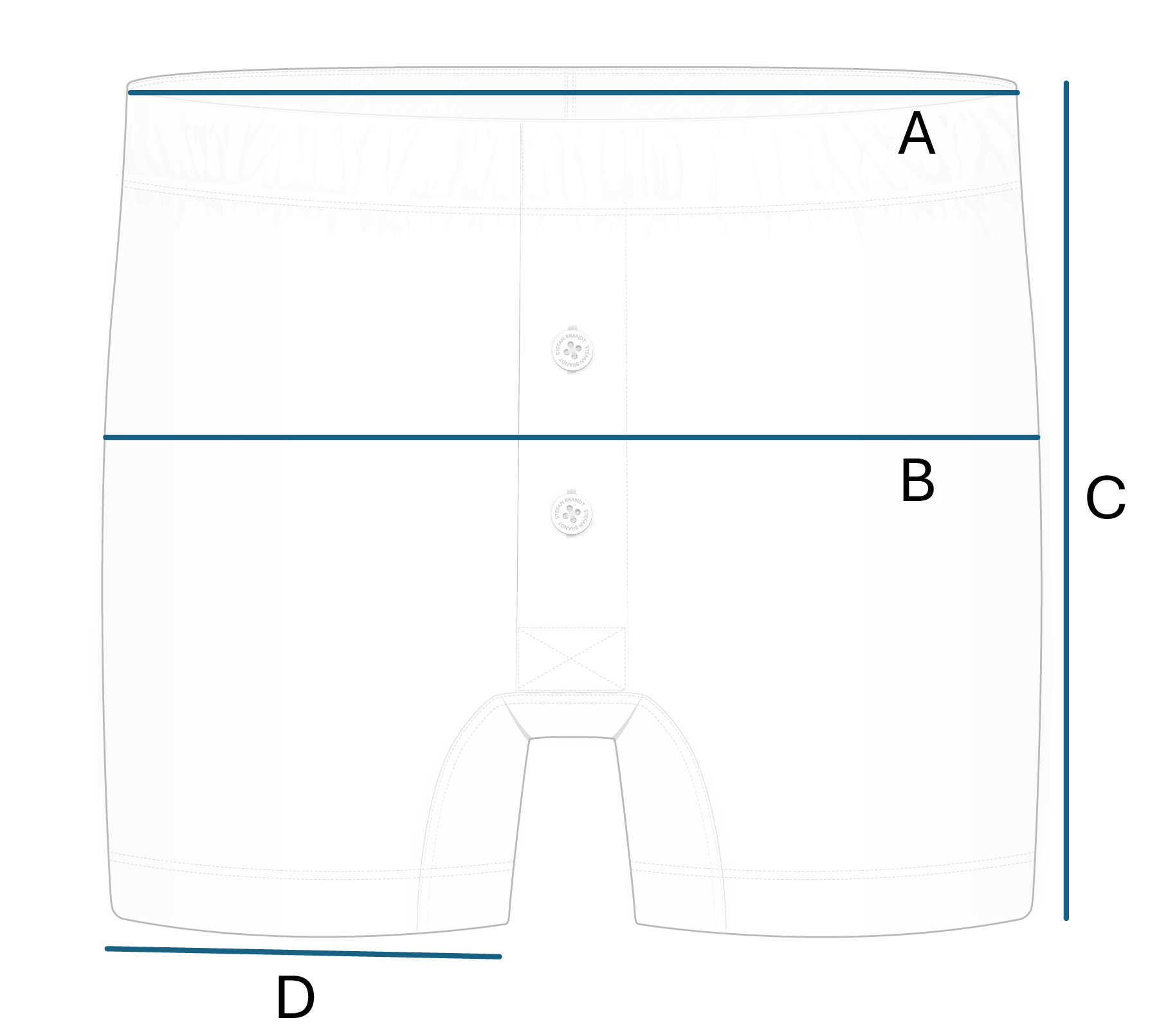
BARI SB ROYAL 200
A classic, slightly fitted blazer made from mercerized URPIMA SEA ISLAND® cotton jersey with spandex.
Product dimensions (in cm)
| XS | S | M | L | XL | 2XL | 3XL | |
|---|---|---|---|---|---|---|---|
| A | 30.5 | 33.0 | 35.5 | 38.0 | 40.5 | 43.0 | 45.5 |
| B | 36.5 | 39.0 | 41.5 | 44.0 | 46.5 | 49.0 | 51.5 |
| C | 20.0 | 21.0 | 22.0 | 23.0 | 24.0 | 25.0 | 26.0 |
| D | 27.3 | 28.5 | 29.8 | 31.0 | 32.3 | 33.5 | 34.8 |
To help you choose the perfect fit, our team measures each piece individually and with the utmost care.
For an accurate comparison, we recommend comparing the measurements provided with a similar garment from your own wardrobe.
Lay it flat on a level surface and measure all dimensions from the outside.
Unit Conversion
XS
corresponds to
—
S
corresponds to
—
M
corresponds to
—
L
corresponds to
—
XL
corresponds to
—
2XL
corresponds to
—
3XL
corresponds to
—
Size chart

EDWIN FTE CO SUPER 60
A classic, slightly fitted blazer made from mercerized URPIMA SEA ISLAND® cotton jersey with spandex.
Product dimensions (in cm)
| XS | S | M | L | XL | 2XL | 3XL | |
|---|---|---|---|---|---|---|---|
| A | 42.1 | 43.4 | 44.7 | 46 | 47.3 | 48.6 | 49.9 |
| B | 52.5 | 55 | 57.5 | 60 | 62.5 | 65 | 67.5 |
| C | 49.5 | 52 | 54.5 | 57 | 59.5 | 62 | 64.5 |
| D | 44.5 | 47 | 49.5 | 52 | 54.5 | 57 | 59.5 |
| E | 63 | 64 | 65 | 66 | 67 | 67 | 67 |
| F | 68.5 | 69.5 | 71 | 72 | 73 | 74 | 75 |
To help you choose the perfect fit, our team measures each piece individually and with the utmost care.
For an accurate comparison, we recommend comparing the measurements provided with a similar garment from your own wardrobe.
Lay it flat on a level surface and measure all dimensions from the outside.
Unit Conversion
XS
corresponds to
—
S
corresponds to
—
M
corresponds to
—
L
corresponds to
—
XL
corresponds to
—
2XL
corresponds to
—
3XL
corresponds to
—
Size chart

EGON 50
A classic, slightly fitted blazer made from mercerized URPIMA SEA ISLAND® cotton jersey with spandex.
Product dimensions (in cm)
| XS | S | M | L | XL | 2XL | 3XL | |
|---|---|---|---|---|---|---|---|
| A | 42.1 | 43.4 | 44.7 | 46 | 47.3 | 48.6 | 49.9 |
| B | 46.5 | 49 | 51.5 | 54 | 56.5 | 59 | 61.5 |
| C | 45.5 | 48 | 50.5 | 53 | 55.5 | 58 | 60.5 |
| D | 45.5 | 48 | 50.5 | 53 | 55.5 | 58 | 60.5 |
| E | 21.5 | 22.5 | 23.5 | 24.5 | 25.5 | 25.5 | 26.5 |
| F | 68.5 | 69.5 | 71 | 72 | 73 | 74 | 75 |
To help you choose the perfect fit, our team measures each piece individually and with the utmost care.
For an accurate comparison, we recommend comparing the measurements provided with a similar garment from your own wardrobe.
Lay it flat on a level surface and measure all dimensions from the outside.
Unit Conversion
XS
corresponds to
—
S
corresponds to
—
M
corresponds to
—
L
corresponds to
—
XL
corresponds to
—
2XL
corresponds to
—
3XL
corresponds to
—
Size chart

EGON LA 50
A classic, slightly fitted blazer made from mercerized URPIMA SEA ISLAND® cotton jersey with spandex.
Product dimensions (in cm)
| XS | S | M | L | XL | 2XL | 3XL | |
|---|---|---|---|---|---|---|---|
| A | 42.1 | 43.4 | 44.7 | 46 | 47.3 | 48.6 | 49.9 |
| B | 46.5 | 49 | 51.5 | 54 | 56.5 | 59 | 61.5 |
| C | 45.5 | 48 | 50.5 | 53 | 55.5 | 58 | 60.5 |
| D | 45.5 | 48 | 50.5 | 53 | 55.5 | 58 | 60.5 |
| E | 63 | 64 | 65 | 66 | 67 | 67 | 67 |
| F | 68.5 | 69.5 | 71 | 72 | 73 | 74 | 75 |
To help you choose the perfect fit, our team measures each piece individually and with the utmost care.
For an accurate comparison, we recommend comparing the measurements provided with a similar garment from your own wardrobe.
Lay it flat on a level surface and measure all dimensions from the outside.
Unit Conversion
XS
corresponds to
—
S
corresponds to
—
M
corresponds to
—
L
corresponds to
—
XL
corresponds to
—
2XL
corresponds to
—
3XL
corresponds to
—

Size chart for long-sleeved shirts (in cm)
| XXS | XS | S | M | L | XL | XXL | 3XL | 4XL | 5XL | 6XL | |
| A | 67,5 | 68,5 | 69,5 | 71 | 72 | 73 | 74 | 75 | 76 | 77 | 78 |
| B | 44 | 46,5 | 49 | 51,5 | 54 | 56,5 | 59 | 61,5 | 64 | 66,5 | 69 |
| C | 40,8 | 42,1 | 43,4 | 44,7 | 46 | 47,3 | 48,6 | 49,9 | 51,2 | 52,5 | 53,8 |
| D | 62 | 63 | 64 | 65 | 66 | 67 | 67 | 67 | 67 | 67 | 67 |
Measure correctly
A: From the seam between the collar and shoulder to the bottom hem.
B: From one side to the other at armpit height.
C: From one side to the other at shoulder height.
D: From the shoulder seam to the end of the sleeve hem.

Size chart for polo shirts (in cm)
| XXS | XS | S | M | L | XL | XXL | 3XL | 4XL | 5XL | 6XL | |
| A | 67,5 | 68,5 | 69,5 | 71 | 72 | 73 | 74 | 75 | 76 | 77 | 78 |
| B | 44 | 46,5 | 49 | 51,5 | 54 | 56,5 | 59 | 61,5 | 64 | 66,5 | 69 |
| C | 40,8 | 42,1 | 43,4 | 44,7 | 46 | 47,3 | 48,6 | 49,9 | 51,2 | 52,5 | 53,8 |
| D | 43 | 45,5 | 48 | 50,5 | 53 | 55,5 | 58 | 60,5 | 63 | 65,5 | 68 |
Measure correctly
A: From the seam between the collar and shoulder to the bottom hem.
B: From one side to the other at armpit height.
C: From one side to the other at shoulder height.
D: From the shoulder seam to the end of the sleeve hem.

Size chart for jackets (in cm)
| XS | S | M | L | XL | XXL | 3XL | |
| A | 66,5 | 68 | 69,5 | 72 | 74,5 | 75,5 | 76,5 |
| B | 49,5 | 52 | 54,5 | 57 | 59,5 | 62,5 | 65 |
| C | 42,1 | 43,4 | 44,7 | 46 | 47,3 | 48,6 | 49,9 |
| D | 64 | 65 | 66 | 67 | 68 | 68 | 68 |
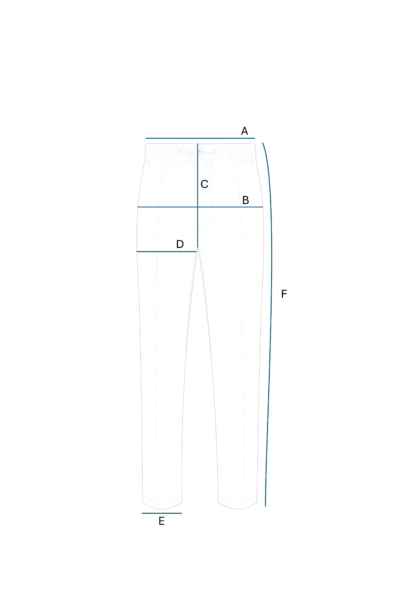
Size chart for pants (in cm)
| XS | S | M | L | XL | XXL | 3XL | |
| A | 36 | 38 | 40 | 42 | 44 | 46 | 48 |
| B | 47 | 49 | 51 | 53 | 55 | 57 | 59 |
| C | 27 | 28 | 29 | 30 | 31 | 32 | 33 |
| D | 29 | 30 | 31 | 32 | 33 | 34 | 35 |
| E | 18,1 | 18,4 | 18,7 | 19 | 19,3 | 19,6 | 19,9 |
| F | 101 | 102 | 103 | 104 | 105 | 106 | 107 |
Measure correctly
A: From one side to the other at the top waistband.
B: From one side to the other at the widest point of the hips.
C: From the upper waistband to the crotch.
D: From one side to the other at thigh height.
E: From one side to the other at the bottom hem.
F: From the top waistband to the bottom hem along the outside of the leg.

Size chart for T-shirts (in cm)
| XXS | XS | S | M | L | XL | XXL | 3XL | 4XL | 5XL | 6XL | |
|---|---|---|---|---|---|---|---|---|---|---|---|
| A | 67,5 | 68,5 | 69,5 | 71 | 72 | 73 | 74 | 75 | 76 | 77 | 78 |
| B | 44 | 46,5 | 49 | 51,5 | 54 | 56,5 | 59 | 61,5 | 64 | 66,5 | 69 |
| C | 40,8 | 42,1 | 43,4 | 44,7 | 46 | 47,3 | 48,6 | 49,9 | 51,2 | 52,5 | 53,8 |
| D | 17,5 | 18,5 | 19,5 | 20,5 | 21,5 | 22,5 | 22,5 | 23,5 | 24,5 | 25,5 | 26,5 |
Measure correctly
A: From the seam between the collar and shoulder to the bottom hem.
B: From one side to the other at armpit height.
C: From one side to the other at shoulder height.
D: From the shoulder seam to the end of the sleeve hem.
MEN
Scroll to the right on the table to see all sizes.
| Size | XS | S | M | L | XL | 2XL | 3XL | 4XL |
|---|---|---|---|---|---|---|---|---|
| Clothing size | 44 | 46 | 48 | 50 | 52 | 54 | 56 | 58 |
| Bust measurement (cm) | 45.5 | 48 | 50.5 | 53 | 55.5 | 58 | 60.5 | 63 |
| Body length (cm) | 68 | 69 | 71 | 72 | 74 | 75 | 76 | 77 |
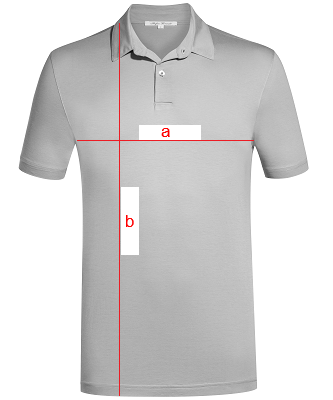
a: Chest measurement: Measure under the armpits at the point of the largest chest measurement.
b: Body length: Measure left from the collar welt to the lower edge of the hem.
LADIES
Scroll to the right on the table to see all sizes.
| Size | XXS | XS | S | M | L | XL | 2XL | 3XL |
|---|---|---|---|---|---|---|---|---|
| Clothing size | 32 | 34 | 36 | 38 | 40 | 42 | 44 | 46 |
| Bust measurement (cm) | 40 | 42,5 | 45 | 47,5 | 50 | 52,5 | 55 | 57.5 |
| Body length (cm) | 59 | 59 | 61 | 61 | 63 | 63 | 64 | 64 |
"Regular Fit": the measurements listed in the table apply to the vast majority of women's styles.
Our "Comfort Fit" is cut 3-12 cm wider and applies to the following styles:
"Comfort Fit / Plus 3 cm": SIENNA, SIENNA LA, MILLA P, CIARA, ALESSA LA, MAILA, MAILA LA, FEDRA, FRITZI, FAUN, FRIEDE
"Comfort Fit / Plus 6 cm": FABIA, FABIOLA, FELIPA, FABIENNE
"Comfort Fit / Plus 10-12 cm": POLA LA, FEBE LA
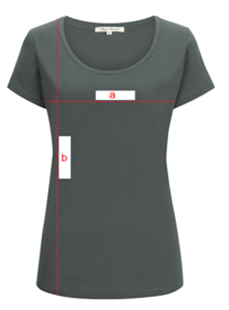
a: Chest measurement: Measure under the armpits at the point of the largest chest measurement.
b: Body length: Measure left from the collar welt to the lower edge of the hem.